Navigating the decentralized web often begins with small steps. For example, claiming testnet rewards and participating in micro-tasks are common activities. Additionally, exploring Web3 gaming and earning fractional tokens in DeFi platforms are very popular. However, managing micro crypto transactions requires careful attention. Similarly, tracking micro crypto wallets can quickly become a chaotic experience.
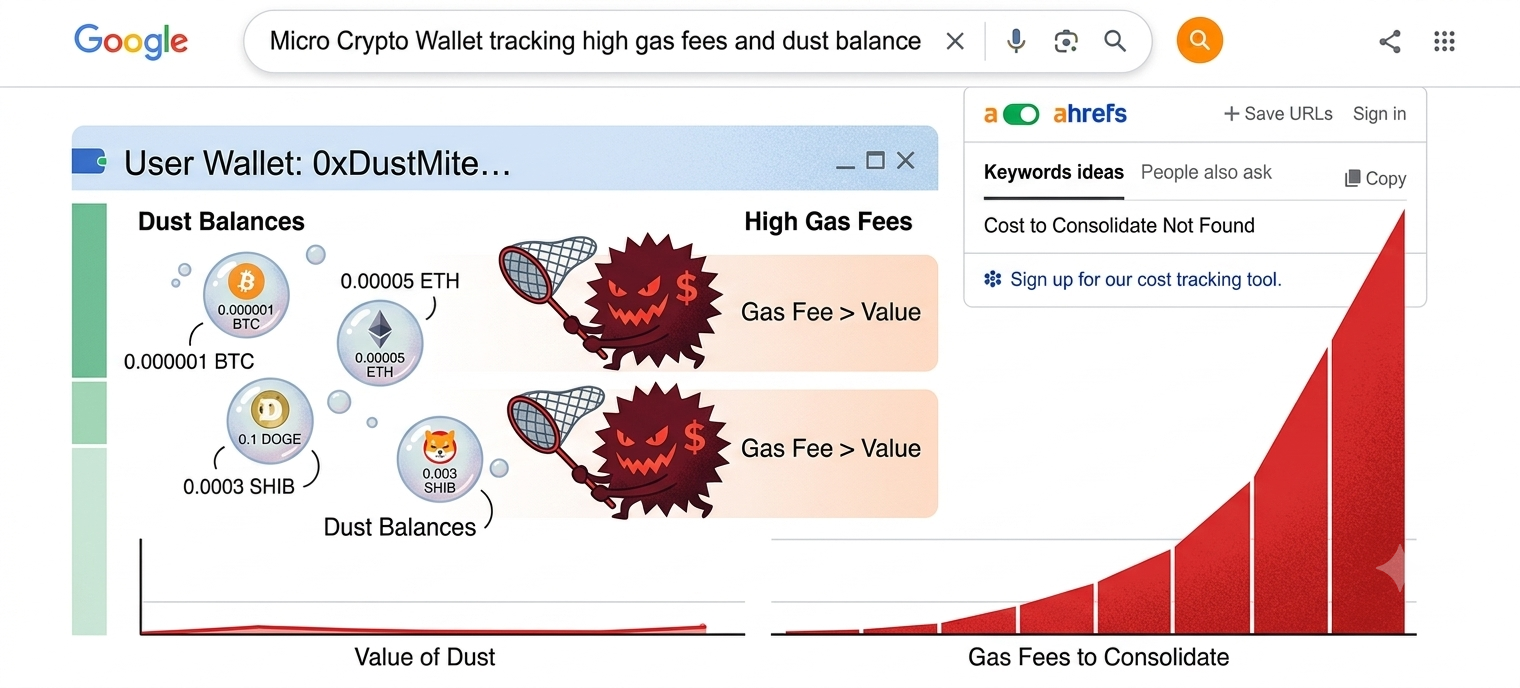
Most guides focus on hardware wallets for large sums. In contrast, tracking micro crypto wallets involves unique challenges like high gas fees, scattered dust balances, and unindexed tokens.
Therefore, if you want to monitor small Web3 balances effectively, you must avoid simple mistakes. Below are 5 common beginner errors when tracking micro crypto wallets and practical solutions to fix them.
1. Ignoring High Gas Fees When Tracking Micro Crypto Wallets
First, beginners often drain their portfolio by ignoring gas fee percentages. Executing small transactions without checking fees is a major mistake.
- The Pitfall: Initiating a transaction to transfer $3 worth of a token while paying $4.50 in fees results in a net loss. On congested networks like Ethereum Mainnet, base fees often exceed the actual value of micro-transactions.
- The Solution:
- Prioritize Low-Fee Blockchains: First, choose Layer-2 networks like Polygon, Arbitrum, or Solana for micro-tasks. In addition, these networks offer significantly lower gas fees.
- Set Fee Limits: Furthermore, monitor gas spikes before making transfers. Consequently, setting custom limits in MetaMask will prevent overpaying.
2. Leaving “Crypto Dust Balances” Unconsolidated Across Chains
Over time, participating in dApps leaves tiny remnants of cryptocurrency. These negligible fractions are known as “crypto dust.”
- The Pitfall: Crypto dust creates clutter in your wallet UI. As a result, accurate portfolio tracking becomes nearly impossible. Beginners often forget where small funds reside. Therefore, unorganized balances remain scattered across multiple networks.
- The Solution:
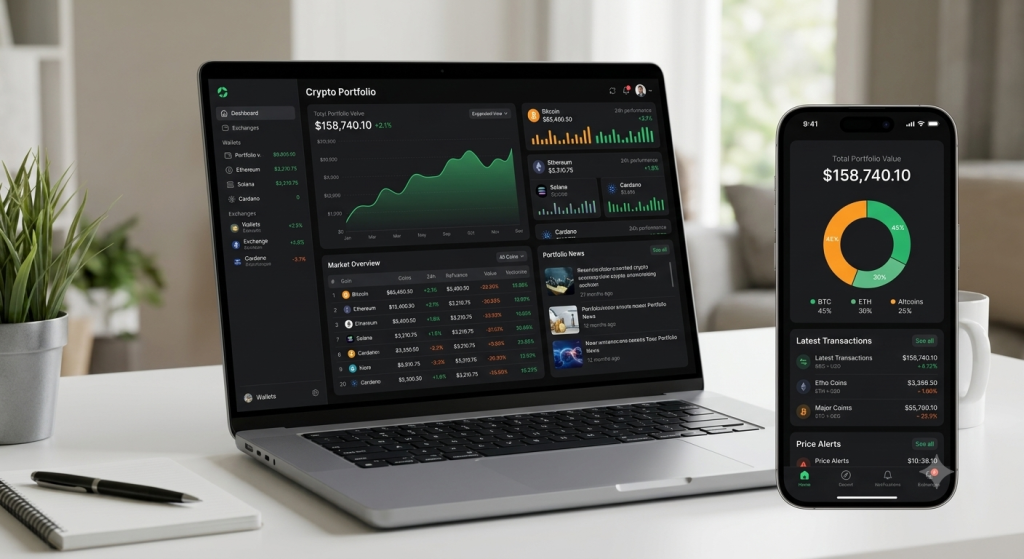
- Use Aggregated Trackers: To solve this, use on-chain trackers like DeBank, Zapper, or CoinStats. Therefore, you can view all connected address balances in one dashboard.
- Dust Conversion Features: In addition, utilize small balance conversion features on exchanges. As a result, you can sweep tiny fractions into a single useful token.
3. Using Unsecured Wallets to Track Micro Crypto Assets
Because beginners view micro-wallets as low stakes, they frequently neglect basic security. Consequently, they expose themselves to malicious dApps and phishing scams.
- The Pitfall: Creating quick wallets on unverified Web3 extensions is dangerous. Likewise, saving seed phrases in cloud notes leads to compromised accounts. Furthermore, a compromised phrase grants hackers access to connected platforms.
- The Solution:
- Use Trusted Wallets: First, always stick to reputable wallets like MetaMask or Trust Wallet. Meanwhile, avoid unverified Web3 wallet extensions completely.
- Revoke Permissions: Moreover, interact with platforms like Revoke.cash regularly. Thus, you can revoke unwanted smart contract approvals safely.
4. Overlooking Official Blockchain Explorers for Accurate Tracking
Relying exclusively on the visual dashboard of wallet software often leads to missing records.
- The Pitfall: Non-custodial wallets frequently fail to automatically fetch custom ERC-20 or SPL tokens. As a result, beginners panic when their micro-transaction does not appear in the app interface.
- The Solution: Instead, always verify your public address directly on official block explorers like Etherscan, BscScan, or Solscan. In addition, copy the contract address from verified databases like CoinGecko to add custom tokens manually.
5. Mixing Micro-Task Wallets with Primary Savings Accounts
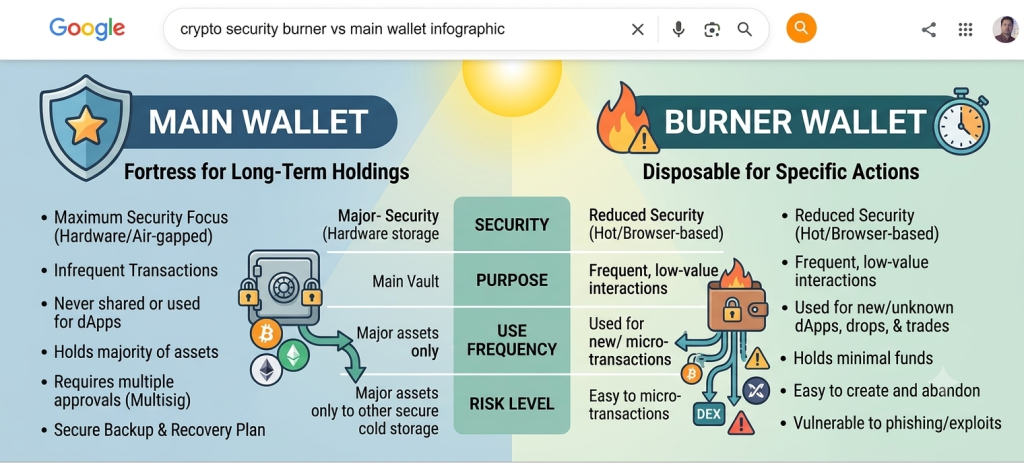
Finally, mixing daily Web3 testing with long-term savings is one of the most dangerous errors in asset management.
- The Pitfall: Connecting a main wallet to unverified micro-task portals is risky. Consequently, malicious drainer scripts can sweep your entire portfolio. For this reason, keep primary assets completely separate.
- The Solution: Therefore, implement a dedicated “Burner Wallet” strategy exclusively for micro-tasks and small transfers. Meanwhile, keep your core investments on a separate wallet that never interacts with untrusted smart contracts.
Final Thoughts
In conclusion, tracking micro crypto wallets successfully requires organized monitoring and security habits. By avoiding high gas costs, consolidating dust balances, and using burner wallets, you can explore Web3 safely.