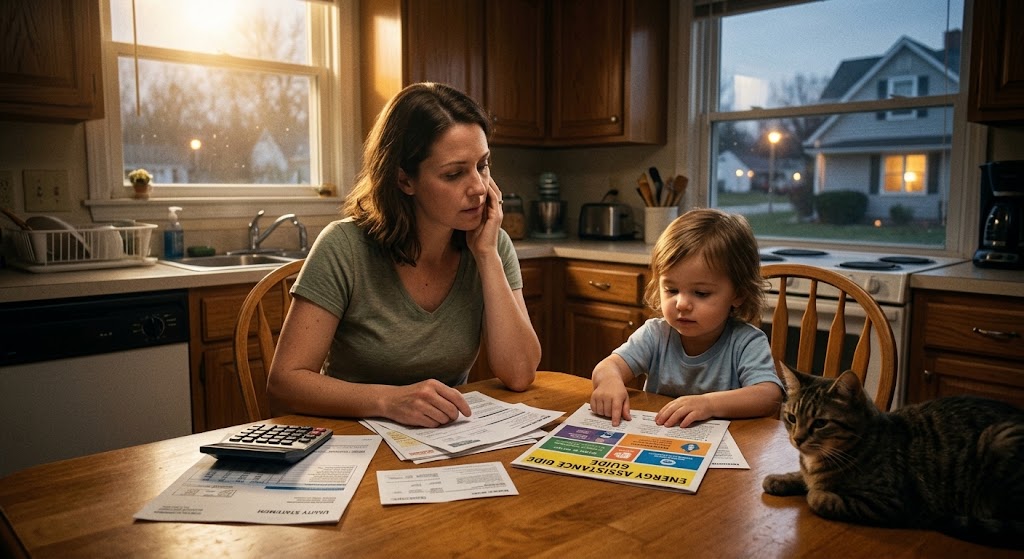
Rising electricity and gas prices place an immense burden on household budgets across the United States. If keeping up with seasonal heating or cooling expenses has become a struggle, federal and state energy bill assistance programs offer critical grants to lower monthly costs and prevent utility shutoffs.
Knowing where to apply and how to qualify allows eligible households to access direct financial relief before late penalties accumulate.
hat Are Federal Energy Bill Assistance Programs?
The federal government funds targeted utility relief programs administered by local agencies and utility providers:
- Low-Income Home Energy Assistance Program (LIHEAP): A federally funded grant that pays heating or cooling costs directly to your utility company. Qualifying households do not need to repay these funds. For program guidelines, visit the Benefits.gov LIHEAP Overview.
- Weatherization Assistance Program (WAP): Administered by the U.S. Department of Energy, WAP covers the installation of energy-efficient insulation, smart thermostats, and appliance upgrades to reduce overall household energy consumption permanently.
How to Qualify for Energy Bill Assistance Programs
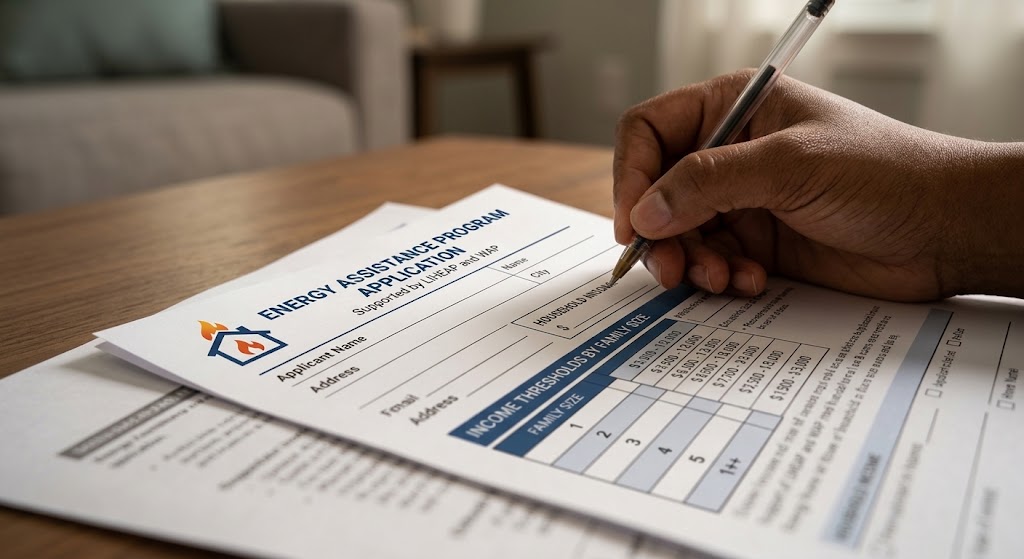
Eligibility for energy bill assistance programs depends on household size and annual gross income. Most states set income thresholds between 150% and 200% of the Federal Poverty Guidelines.
| Household Size | Maximum Annual Income (Approx. 150% FPL) |
| 1 Person | $22,590 |
| 2 Persons | $30,660 |
| 3 Persons | $38,730 |
| 4 Persons | $46,800 |
Note: You may automatically qualify if a member of your household receives SNAP, SSI, or TANF benefits.
4 Actionable Ways to Lower Your Power Bills
Beyond federal aid, several localized resources offer immediate debt reduction:
- Utility Company Budget Billing: Contact your electric or gas company to spread annual charges evenly across 12 months, avoiding unpredictable seasonal spikes. Check our guide on Smart Home Energy Saving Tips for additional reduction methods.
- Deferred Payment Arrangements (DPA): Utility providers frequently allow customers to pay off past-due balances through interest-free payment plans to halt service disconnections.
- Hardship and Charitable Funds: Non-profit initiatives like the Salvation Army’s utility funds and the Dollar Energy Fund offer emergency cash grants for families facing imminent power shutoffs.
- Disability and Senior Discounts: Many local electric cooperatives and municipal providers offer fixed monthly rate reductions for senior citizens and individuals with permanent disabilities.
Steps to Apply for Utility Relief Today
- Gather Required Documents: Collect recent utility statements, government-issued photo IDs, proof of household income (paystubs or tax returns), and Social Security numbers for all residents.
- Locate Your Local Administering Agency: Use the National Energy Assistance Directors’ Association (NEADA) portal to find contact details for your county or city intake office.
- Submit Your Application Online or in Person: File early in the funding cycle, as state budgets operate on a first-come, first-served allocation model.
Explore more resources on Household Budget Management to optimize your monthly expenses.