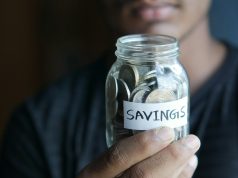

Trying to build an emergency fund while paying off high-interest debt can feel like a financial balancing act. If you put every extra dollar toward debt, you may have nothing available when an unexpected expense occurs. But if you focus only on saving, high-interest debt can continue growing and cost you more money over time.
The good news is that you do not necessarily have to choose between saving and debt repayment. A balanced strategy can help you establish a financial safety net while steadily reducing expensive debt.
This step-by-step guide explains how to build an emergency fund while paying off high-interest debt, including how much to save, which debts to prioritize, and how to automate your progress.
Why You Need an Emergency Fund While Paying Off Debt
An emergency fund is money set aside for unexpected but necessary expenses, such as a car repair, medical bill, urgent home repair, or temporary loss of income.
Without emergency savings, an unexpected expense can force you to use a credit card or take out another loan. If that new debt carries a high interest rate, it can make your existing financial situation even harder to manage.
For example, imagine you have $5,000 in credit card debt and decide to put every available dollar toward paying it off. Then your car suddenly needs a $1,000 repair. Without savings, you may have to put the repair on another credit card.
That can create a cycle:
Unexpected expense → New debt → Higher interest costs → Less money available for savings → Greater financial stress
Even a small emergency fund can help break this cycle.
Should You Save Money or Pay Off Debt First?
For many people, the best approach is not choosing one over the other. Instead, build a small emergency reserve while making consistent debt payments.
High-interest debt deserves aggressive attention because interest can accumulate quickly. At the same time, having no cash savings leaves you vulnerable to unexpected expenses.
A balanced strategy can provide three important benefits:
- Financial protection: Savings can cover unexpected expenses without immediately relying on credit.
- Lower interest costs: Extra payments toward high-interest debt can reduce the amount of interest you pay.
- Greater financial confidence: A cash reserve can reduce the stress associated with unexpected bills.
The goal is to create enough savings to handle smaller emergencies while directing the majority of your available extra money toward expensive debt.
Step 1: Map Your Entire Financial Situation
Before deciding how much to save or how aggressively to repay debt, understand exactly where your money is going.
Create a simple list of all your debts and include:
- Current balance
- Interest rate
- Minimum monthly payment
- Due date
- Type of debt
For example:
| Debt | Balance | Interest Rate | Minimum Payment |
|---|---|---|---|
| Credit Card A | $3,000 | 24% | $90 |
| Credit Card B | $1,500 | 19% | $50 |
| Personal Loan | $5,000 | 12% | $150 |
| Student Loan | $8,000 | 6% | $100 |
Next, calculate your monthly income and essential expenses.
Your basic financial map should show:
Monthly income − Essential expenses − Minimum debt payments = Available money
This amount determines how much you can realistically allocate toward emergency savings and additional debt payments.
Step 2: Build an Emergency Fund for High-Interest Debt
If you currently have no emergency savings, you do not necessarily need to wait until your debt is completely paid off before saving.
Start with a manageable emergency reserve.
A useful initial target can be $500 to $1,000, depending on your income, expenses, and personal circumstances. The exact amount should reflect the types of emergencies you are most likely to face.
Once you reach your starter fund, you can focus more heavily on high-interest debt while continuing to contribute something toward savings.
For example, if you have $300 available each month after essential expenses and minimum debt payments, you might divide that money between emergency savings and additional debt payments until your starter fund is established.
The key is to create a buffer without allowing savings to become an excuse for making only minimum payments on expensive debt.

Step 3: Keep Making Minimum Payments on Every Debt
Never ignore your other debt accounts while concentrating on one balance.
Continue making at least the required minimum payment on every debt to keep your accounts current and avoid unnecessary fees or penalties.
After minimum payments are covered, direct your additional money toward your chosen debt repayment strategy.
This creates a simple structure:
- Cover essential living expenses.
- Make minimum payments on all debts.
- Maintain your starter emergency fund.
- Put additional money toward high-interest debt.
- Continue making regular contributions to savings.
Step 4: Use the Debt Avalanche Method for High-Interest Debt
The debt avalanche method prioritizes the debt with the highest interest rate.
Suppose you have:
- Credit Card A — 25% APR
- Credit Card B — 21% APR
- Personal Loan — 12% APR
- Student Loan — 6% APR
You would continue making minimum payments on all accounts while putting extra money toward Credit Card A.
After that balance is eliminated, redirect the money you were paying toward Credit Card A to Credit Card B.
Continue this process until the remaining high-interest debt is eliminated.
Why the Debt Avalanche Method Works
The primary advantage is that it can reduce the total amount of interest paid over time, especially when the highest-rate debt has a large balance.
This is particularly important with credit card debt because high interest rates can make balances difficult to eliminate if you make only minimum payments.
Debt Avalanche vs. Debt Snowball
The debt avalanche method is not the only strategy available.
The debt snowball method focuses on paying off the smallest debt balance first, regardless of its interest rate.
Here is the basic difference:
| Feature | Debt Avalanche | Debt Snowball |
|---|---|---|
| Main priority | Highest interest rate | Smallest balance |
| Primary benefit | Potentially lower interest costs | Faster psychological wins |
| Best for | Interest savings | Motivation and momentum |
| Strategy | Mathematically focused | Behaviorally focused |
If you are highly motivated by saving money on interest, the avalanche approach may be preferable.
If paying off smaller balances helps you stay motivated and committed to your plan, the snowball method can be useful.
The most important strategy is the one you can consistently follow.
Step 5: Automate Your Emergency Savings
Saving money manually every month can be difficult, especially when your budget is tight.
Automation can make the process easier.
Set up an automatic transfer from your checking account to a dedicated savings account shortly after receiving your paycheck.
Even a relatively small amount can help you build the habit of saving.
For example:
- $25 per paycheck = $50 per month
- $50 per paycheck = $100 per month
- $100 per paycheck = $200 per month
The exact amount matters less than choosing an amount you can maintain consistently.
As your income increases or expenses decrease, consider increasing your automatic savings contribution.
Step 6: Keep Your Emergency Fund Separate
Your emergency savings should be easy to access when you genuinely need it, but separate enough from everyday spending that you are not tempted to use it for nonessential purchases.
A dedicated savings account can help create a psychological boundary between spending money and emergency money.
Use the fund for genuine financial emergencies rather than routine expenses, entertainment, or impulse purchases.
Step 7: Increase Your Emergency Fund After High-Interest Debt Is Under Control
Once your most expensive debt is significantly reduced or eliminated, you can redirect more of your monthly cash flow toward emergency savings.
At this stage, consider building toward a larger emergency reserve based on your circumstances.
A common long-term goal is three to six months of essential living expenses, although the appropriate amount depends on factors such as income stability, household expenses, dependents, and job security.
Someone with highly predictable income may have different needs from someone whose income varies significantly from month to month.
What If You Have Very High-Interest Debt?
If your debt carries an extremely high interest rate, it may make sense to prioritize debt repayment more aggressively after establishing a basic emergency cushion.
The important distinction is between having some emergency savings and trying to build a large emergency fund while expensive debt continues accumulating interest.
For example, you may first establish a starter emergency fund, then direct most available extra money toward high-interest credit card debt.
Once the expensive debt is under control, increase your emergency savings target.
This approach can provide both immediate protection and long-term financial progress.
How to Handle Unexpected Expenses
Even with an emergency fund, unexpected expenses can happen.
When you need to use your emergency savings, do not consider the plan a failure.
The purpose of an emergency fund is to be used when a genuine emergency occurs.
After the situation is resolved, return to your normal financial plan and rebuild the amount you used.
Think of emergency savings as a financial shock absorber rather than an account that must never be touched.
Common Mistakes to Avoid
Waiting Until All Debt Is Paid Off to Save
If you have no savings at all, an unexpected expense can force you to borrow again.
Building a starter emergency fund can reduce this risk.
Saving Too Much While Ignoring High-Interest Debt
Building a large cash reserve while carrying expensive credit card debt may not be the most efficient use of your money.
Once you have an appropriate starter cushion, consider directing more available cash toward high-interest balances.
Using Emergency Savings for Non-Emergencies
A dedicated emergency fund should not become a general spending account.
Clearly define what qualifies as an emergency before you need the money.
Making Only Minimum Payments
Minimum payments can keep accounts current, but they may not be enough to eliminate high-interest debt quickly.
Whenever possible, direct additional money toward your highest-priority debt.
Giving Up When Progress Seems Slow
Financial progress is often gradual.
A $50 monthly contribution may not seem significant at first, but consistent saving and debt repayment can produce meaningful results over time.
A Simple Monthly Strategy
If you are starting from zero, you can use this framework:
First: Pay essential expenses and minimum debt payments.
Second: Build a starter emergency fund.
Third: Continue contributing a manageable amount to savings.
Fourth: Direct most additional money toward the highest-interest debt.
Fifth: Once that debt is eliminated, move the freed-up payment toward the next debt.
Sixth: After expensive debt is under control, increase your emergency savings toward a larger target.
This approach allows you to make progress on both sides of your financial plan without ignoring either major risk.
Frequently Asked Questions
How much should I save before paying off high-interest debt?
If you have no emergency savings, consider establishing a starter emergency fund first. The appropriate amount depends on your income, expenses, and financial risks. After creating a basic cushion, you can prioritize high-interest debt more aggressively.
Is it better to save money or pay off credit card debt?
If your credit card has a high interest rate, paying it down can save substantial interest. However, having no emergency savings can leave you vulnerable to unexpected expenses. A balanced strategy can provide a basic cash reserve while aggressively reducing high-interest debt.
Should I use the debt avalanche or snowball method?
The debt avalanche method prioritizes the highest interest rate and can minimize interest costs. The debt snowball method prioritizes the smallest balance and can provide faster psychological wins. Choose the approach you are most likely to follow consistently.
How much should an emergency fund contain?
A starter emergency fund can provide an initial financial buffer. Once high-interest debt is under control, many people work toward saving several months of essential living expenses. Your ideal target depends on your personal financial situation.
Where should I keep my emergency fund?
Keep emergency savings in a safe, accessible account that is separate from your everyday spending money. The goal is to make the money available for genuine emergencies without making it too easy to spend casually.
Final Thoughts
Building an emergency fund while paying off high-interest debt requires balance, discipline, and consistency.
You do not necessarily need to choose between saving and debt repayment. Start by creating a manageable emergency cushion, keep making minimum payments on every debt, and direct additional money toward high-interest balances.
Once expensive debt is under control, increase your emergency savings and work toward a larger financial reserve.
The most important step is to create a system you can maintain month after month. Consistent saving and strategic debt repayment can help you build greater financial stability while reducing your dependence on high-interest credit.