Rising utility costs have become a major concern for households worldwide. Every month, millions of homeowners open their electricity bills with a sense of dread, wondering why the numbers keep creeping upward despite their best efforts to conserve power. If you are tired of watching your hard-earned money vanish into high monthly energy expenses, you are definitely not alone. Fortunately, learning how to lower your electric bill doesn’t always require expensive home renovations or complicated solar installations. By making simple adjustments to your daily habits and optimizing how your household consumes electricity, you can experience a dramatic drop in your utility expenses almost immediately. To explore more advanced ways to optimize your household power consumption and improve efficiency, check out our guide on AI Home Security and Energy Savings and review official energy guidelines from the U.S. Department of Energy
Why Your Monthly Electricity Bill Keeps Climbing
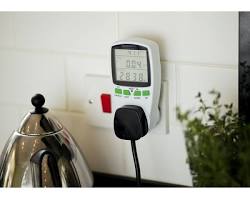
Before diving into the solutions, it helps to understand the underlying culprits driving up your power consumption. Modern homes are packed with electronics, smart devices, climate control systems, and kitchen appliances that constantly draw power. Even when appliances are turned off, many of them continue to consume electricity in standby mode—a phenomenon commonly referred to as “phantom load” or vampire power.
Furthermore, inefficient daily routines, poor insulation, and outdated lighting choices force your HVAC and electrical systems to work much harder than necessary. When you actively work to lower your electric bill, you aren’t just saving money; you are also reducing your overall carbon footprint and promoting sustainable living. Let’s break down the most effective, actionable strategies you can implement right away.
1. Eliminate Phantom Power (Vampire Loads)
One of the easiest ways to start seeing savings on your utility statement is by hunting down vampire power. Many electronic devices—such as televisions, gaming consoles, microwave ovens, and phone chargers—draw continuous electricity even when they appear to be powered down.
- Unplug Unused Chargers: Leaving phone and laptop chargers plugged into the wall when they aren’t actively charging a device still draws a small, steady stream of current.
- Use Smart Power Strips: Plug your entertainment centers or home office equipment into smart power strips that automatically cut off power flow when the devices enter standby mode.
- Turn Off Completely: Cultivate the habit of switching off power outlets in rooms that are not in use for extended periods.
2. Optimize Your Heating and Cooling Systems
Climate control typically accounts for the largest chunk of a household’s monthly energy consumption. Whether you are running an air conditioner during scorching summer afternoons or a heavy heater through freezing winter nights, your HVAC system demands massive amounts of electricity.
- Adjust Your Thermostat Wisely: Setting your thermostat just a few degrees lower in the winter and higher in the summer can reduce your heating and cooling costs by up to 10 percent annually.
- Change Air Filters Regularly: Clogged, dirty air filters restrict airflow, forcing your HVAC unit to burn more electricity to cool or heat your living space. Replace or clean filters every one to two months.
- Leverage Ceiling Fans: Ceiling fans create a cooling wind-chill effect, allowing you to raise your thermostat setting without sacrificing personal comfort.
3. Switch Entirely to Energy-Efficient LED Lighting
Old incandescent lightbulbs are notoriously inefficient, converting roughly 90 percent of the electricity they consume into heat rather than light. Transitioning your home to modern Light Emitting Diode (LED) bulbs is a simple upgrade with an immediate financial payoff.
- Long-Term Durability: LED bulbs last significantly longer than traditional incandescent or fluorescent alternatives, saving you money on frequent replacements.
- Lower Wattage, High Brightness: LEDs consume up to 80 percent less electricity while providing the exact same level of illumination for your rooms.
- Target Task Lighting: Instead of illuminating an entire room brightly, use desk lamps or focused lighting where it is specifically needed.
4. Master Smart Laundry and Dishwashing Habits
Washing machines, clothes dryers, and dishwashers consume significant amounts of energy, primarily because they have to heat water during their cycles. Changing how you use these heavy appliances can noticeably lower your electric bill over time.
- Wash with Cold Water: Modern laundry detergents are specifically engineered to clean clothes thoroughly in cold water, eliminating the need for your water heater to expend extra energy.
- Run Full Loads Only: Never run your washing machine or dishwasher half-empty. Wait until you have accumulated a full load to maximize water and electricity efficiency.
- Air-Dry When Possible: Whenever weather permits, skip the electric clothes dryer and hang your garments outside or on indoor drying racks.
5. How to Lower Your Electric Bill Fast
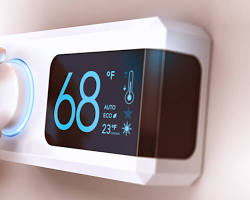
Technology has evolved to make energy conservation effortless. Smart thermostats learn your daily routine, adjust temperatures automatically when you leave the house, and prevent wasteful climate control in empty rooms. By combining automated thermostats with modern efficiency tools, you can easily control peak-hour power spikes. You can also explore trusted medical and wellness resources on the NextiLife Health Guide to maintain a balanced lifestyle alongside your home optimization goals.
Additional Daily Habits for Long-Term Savings
Beyond the major structural changes, minor tweaks to your everyday routine accumulate into substantial financial relief over the course of a year.
Keep Natural Light Working for You
During daylight hours, open your curtains and blinds to flood your home with natural sunlight. This minimizes the need for artificial indoor lighting and provides natural warmth during cooler months.
Maintain Your Refrigerator and Freezer
Your refrigerator runs 24/7, making it one of the hardest-working appliances in your kitchen. Ensure the door seals are tightly closed, keep coils clean from dust buildup, and avoid placing hot food directly inside.
Conclusion
Taking control of your household expenses does not have to feel overwhelming. By implementing these practical strategies—from eliminating vampire power to optimizing your thermostat and upgrading to LED lighting—you can successfully lower your electric bill and keep more money in your pocket each month. Consistency is the true key to long-term utility savings. For more insightful guides on modern living, tech trends, and lifestyle tips, check out our latest articles on the NextiLife Blog.