

Bringing a new puppy into your house is an exciting and life-changing event. Learning how to care for a new puppy properly ensures they grow up healthy, energetic, and well-behaved. Whether you are a first-time dog owner or adding another pet to your family, this comprehensive 2026 guide walks you through every essential step.
1. How to Care for a New Puppy in a Safe Space
When a puppy enters a new environment, they often feel nervous away from their mother and littermates.
- Set up a safe zone: Prepare a dedicated, quiet room or crate with a soft bed and warm blankets.
- Provide comfort: A warm space helps lower anxiety and gives your puppy a safe spot to rest after energetic play sessions.
2. Proper Puppy Care and Nutrition Schedule
Puppies require higher calories, protein, and nutrients than adult dogs to support their rapid skeletal and cognitive growth.
- 8 to 12 Weeks Old: Feed them commercial wet or dry puppy food 3 to 4 times a day.
- 3 to 6 Months Old: Reduce feedings to 3 times daily as their stomach capacity increases.
- 6 to 12 Months Old: Transition gradually to 2 meals a day.
Veterinary Tip: Always feed your pet food specifically labeled for “Puppies” or “Growth.” Avoid feeding human food scraps, chocolate, onions, or grapes, which are toxic to dogs.

3. Keep Fresh Water Accessible 24/7
Hydration is vital for your puppy’s digestion, joint health, and temperature regulation.
- Keep a heavy, tip-proof bowl filled with clean, filtered water at all times.
- Wash the water bowl daily to prevent bacterial growth and refresh the water twice a day.
4. Start Potty Training Early
Consistency is the key to successful house training.
- Take your puppy outside immediately after they wake up, eat, drink, or finish playing.
- Use positive reinforcement like treats and verbal praise when they do their business in the designated area.
- Avoid punishing accidents; clean them up quietly using an enzymatic cleaner to remove lingering odors.
5. How to Care for a New Puppy with Crate Training
Crate training provides your puppy with a cozy den and helps accelerate potty training.
- Introduce the crate gradually with open doors and tasty treats inside.
- Never use the crate as a place of punishment.
- Ensure the crate is large enough for your puppy to stand up, turn around, and lie down comfortably.
6. How to Care for a New Puppy’s Health and
Protecting your puppy against contagious canine diseases is crucial for their longevity.
- First Vet Visit: Schedule a health checkup within 48 to 72 hours of bringing your puppy home.
- Core Vaccinations: Ensure your puppy gets core vaccines (such as Parvovirus, Distemper, and Rabies) starting around 6 to 8 weeks of age.
- Deworming & Parasite Control: Consult your vet for a customized flea, tick, and worming schedule.
7. Socialization and Early Behavioral Training
Early socialization shapes a confident, friendly adult dog.
- Gently expose your puppy to different sights, household sounds, soft surfaces, and people.
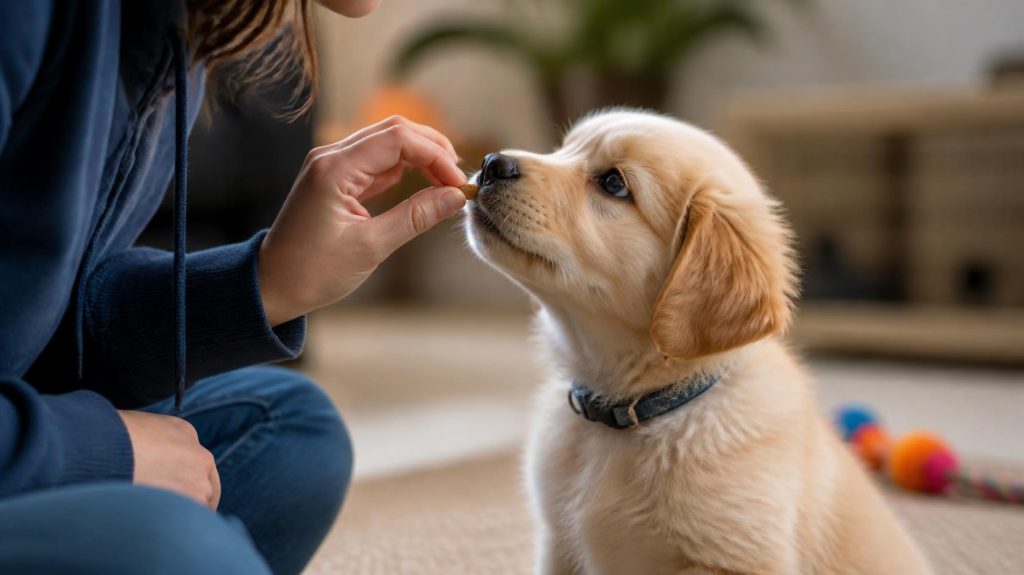
- Begin basic commands like “Sit,” “Stay,” and “Come” using reward-based positive training methods.
- Keep training sessions short (5 to 10 minutes) to match their short attention span.
8. How to Care for a New Puppy with Proper Grooming
Starting grooming routines early prevents fear and anxiety around maintenance tasks later in life.
- Brushing: Brush their coat 2–3 times a week to reduce shedding and remove dirt.
- Bathing: Use a mild, puppy-safe shampoo only when necessary (every 3–4 weeks).
- Ear & Eye Care: Check ears weekly for dirt, redness, or unusual odor.
Pro Tip for Multi-Pet Owners: If you also have a cat at home, proper grooming is key to preventing hairballs. Learn more in our guide on cat hairballs home remedies.
9. Puppy-Proof Your Living Space
Puppies explore the world using their mouths, making chew-proofing essential.
- Tuck away hanging electrical cords and chargers.
- Store household cleaning chemicals, medicines, and small swallowable objects in high cabinets.
- Keep toxic indoor plants (such as Lilies, Sago Palms, and Azaleas) out of reach.
10. Provide Safe Chew Toys and Daily Exercise
Puppies experience teething between 3 to 6 months of age, creating a strong urge to chew.
- Offer durable rubber chew toys or teething rings to soothe sore gums.
- Engage in daily interactive play to expend excess energy and prevent destructive behaviors like chewing furniture.
If you also have a feline friend at home, check out our complete guide on how to care for a new kitten.
🚨 Veterinary Alert
If your puppy shows signs of severe lethargy, persistent diarrhea, vomiting, refusal to eat for over 12 hours, or glassy eyes, contact your veterinarian immediately.
Final Thoughts
Learning how to care for a new puppy takes patience, routine, and a lot of love, but the lifelong bond you create makes it completely rewarding. By following these essential puppy care tips, you set the foundation for a happy and healthy dog in 2026 and beyond.