Introduction
Choosing between micro hydro power vs solar for home office setups is becoming a vital decision for remote workers seeking 24/7 off-grid energy independence. While solar energy dominates the market, micro-hydro systems offer continuous electricity regardless of weather conditions. In this comprehensive micro hydro power vs solar for home office guide, we compare cost, installation complexity, power output, and how combining both into a hybrid system creates the ultimate uninterrupted power supply (UPS) for your digital workspace. For a complete guide on installing solar panels, check out our off-grid solar setup guide.
1. Understanding Micro Hydro Power vs Solar for Home Office Energy Needs
Running a modern home office requires reliable power for laptops, dual monitors, Wi-Fi routers, and ergonomic lighting.
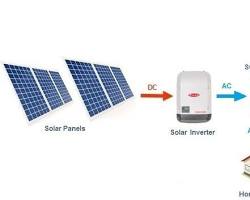
- Solar Energy: Highly dependent on daylight hours (average 5–6 peak sunshine hours daily). Requires larger battery banks to bridge nighttime power demands.
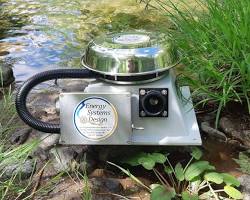
- Micro Hydro Power: Generates electricity continuous 24 hours a day, provided you have access to flowing water or a high-volume rainwater catchment system with vertical elevation (head).
Key Takeaway: A 50W micro-hydro generator running 24 hours produces 1,200Wh daily, which exceeds a 200W solar panel running for 5 peak hours (1,000Wh daily).
2. Micro Hydro Power vs Solar for Home Office: Feature Comparison
To evaluate which system fits your remote workstation, compare their core technical specifications side-by-side:
| Specification / Feature | Solar Power Setup | Micro Hydro Power Setup |
| Energy Generation Period | 4–6 Hours / Day | 24 Hours / Day |
| Battery Storage Need | High Capacity (LiFePO4) | Low to Medium Capacity |
| Primary Dependency | Sunlight & Weather | Flowing Water Flow/Head |
| Equipment Lifespan | 20–25 Years (Panels) | 10–15 Years (Turbine) |
| Maintenance Need | Very Low (Cleaning Dust) | Moderate (Debris Clearing) |
3. How to Build a Micro Hydro Power vs Solar Hybrid Workstation
Instead of picking just one system, combining both sources solves seasonal energy dips—giving you peak solar output in summer and high hydro output during rain-heavy seasons.
Step 1: Calculate Your Combined Power Budget
Determine your daily total consumption in watt-hours. A typical home office consumes around 800Wh to 1000Wh daily.
Step 2: Set Up Dual Input Charge Controllers
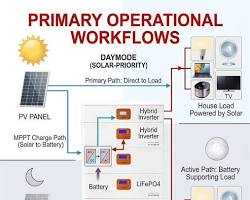
Connect your solar array to an MPPT solar charge controller and your micro-hydro turbine to a dedicated diversion-load hydro controller. Both feed directly into your 12V or 24V LiFePO4 battery bank.
Step 3: Integrate a Pure Sine Wave Inverter
Route the stored DC battery power through a 500W–1000W Pure Sine Wave inverter to run sensitive PC gear without voltage fluctuations.
For detailed environmental regulations regarding micro-hydro installations, review the U.S. Department of Energy Hydroelectric Guide.
4. Maintenance Best Practices for Hybrid Home Office Setup
- Prevent Debris Clogging: Install mesh filters at the water intake pipe to protect hydro turbine runners from leaves and gravel.
- Maintain Solar Angles: Adjust panel tilt twice a year (summer vs. winter angles) to optimize PV performance.
- Use Dedicated Fuses: Place appropriate DC circuit breakers between controllers, turbines, panels, and battery storage.
Conclusion
Evaluating micro hydro power vs solar for home office applications proves that while solar remains the easiest to install, micro-hydro provides unmatched 24/7 reliability. Implementing a hybrid solar-hydro setup guarantees your remote home office stays powered through storm blackouts, cloudy weeks, and peak electricity pricing hours.